How to Strengthen Your Immune System Naturally
Affiliate disclosure: Nook & Root may earn a commission if you buy products through links on this page, at no extra cost to you. We only recommend products after reviewing the evidence and checking ingredients and sourcing.
Key takeaways
- You cannot “supercharge” a healthy immune system overnight. Sleep, food, movement, stress care, and vaccines are what the evidence supports.
- Most adults need at least 7 hours of sleep and about 150 minutes of moderate activity each week.
- Nutrients such as vitamins C and D and zinc matter for immune cells, especially if you are low—but megadoses are not a shield against infection.
- No food, herb, or supplement has been shown to cure or reliably prevent colds or flu on its own.
- See a clinician for frequent severe infections or red-flag symptoms; lifestyle advice is not a substitute for medical care.
Direct answer: The most reliable ways to strengthen your immune system are everyday habits—enough sleep, a varied diet, regular movement, stress management, not smoking, and staying current on recommended vaccines. Supplements may help if you are deficient, but they do not replace those basics, and no product has been shown to “boost” immunity into disease-proof territory.
Search results are full of “immune boosters.” It is an appealing idea. Your immune system is not a single switch, though. It is a network of cells, tissues, and signals that needs balance more than stimulation. Harvard Health and other clinical sources note that the ability to “boost” immunity on demand has proved elusive, while the CDC emphasizes healthy habits that support immune health alongside vaccines that train the body against specific germs.
This guide walks through what established evidence actually supports for people in the United States, Canada, Australia, and New Zealand—without cure claims, and with clear caveats where the science is thin.
In this article
- 1. Can you strengthen your immune system—or only “boost” it?
- 2. Get enough sleep (most adults: 7+ hours)
- 3. Eat a varied, plant-forward diet
- 4. Move most days—moderate beats extreme
- 5. Manage chronic stress
- 6. Do not smoke, and avoid alcohol
- 7. Know what vitamin C, vitamin D, and zinc can—and cannot—do
- 8. What about elderberry, echinacea, garlic, honey, and black seed?
- 9. Hygiene, cleaner air, and vaccines
- When to see a doctor
- Frequently asked questions
- The bottom line
- Sources
Want a simple starting point? Get our free 7-day guide, Real Food, Better Sleep, Calmer Days—a short email series on food, sleep, and daily habits. General information, not medical advice.
Join the Nook & Root list1. Can you strengthen your immune system—or only “boost” it?
People search for how to boost their immune system because that is how many headlines are written. In practice, clinicians usually talk about helping your immune system work well—not pushing it into overdrive. An overactive immune response can cause problems of its own (think allergies or autoimmune flares).
According to the CDC’s immune health guidance, healthy habits help your immune system do its job, while vaccines teach it to recognize specific diseases. Both matter; they play different roles. Lifestyle alone cannot replace immunization for diseases vaccines target.
Summary: Prefer “support” or “strengthen” over miracle “boost” claims. Habits plus recommended vaccines are the evidence-based combo.
2. Get enough sleep (most adults: 7+ hours)
Sleep is one of the strongest lifestyle links to immune function. The CDC notes that most adults need at least 7 hours of sleep each night, and that losing even a few hours can weaken defenses and may reduce how well vaccines work.

Research in healthy adults has linked shorter sleep to higher susceptibility to experimentally induced colds. In one well-known study, people sleeping fewer than 6 hours were more likely to develop a cold after virus exposure than people who slept 7 hours or more (Prather et al., 2015, Sleep).
Practical steps: keep a steady bedtime, dim screens before bed, keep the room dark and cool, and treat snoring or possible sleep apnea with a clinician rather than another supplement.
Summary: Aim for 7+ hours. Sleep debt is a modifiable risk for feeling run-down and for weaker immune responses.
3. Eat a varied, plant-forward diet
No single “superfood” strengthens immunity on its own. What helps is a pattern: vegetables, fruits, legumes, whole grains, nuts, seeds, and adequate protein (fish, poultry, eggs, dairy, tofu, beans). The CDC recommends focusing on protein, plants, whole grains, and healthy fats because those foods supply nutrients immune cells need.
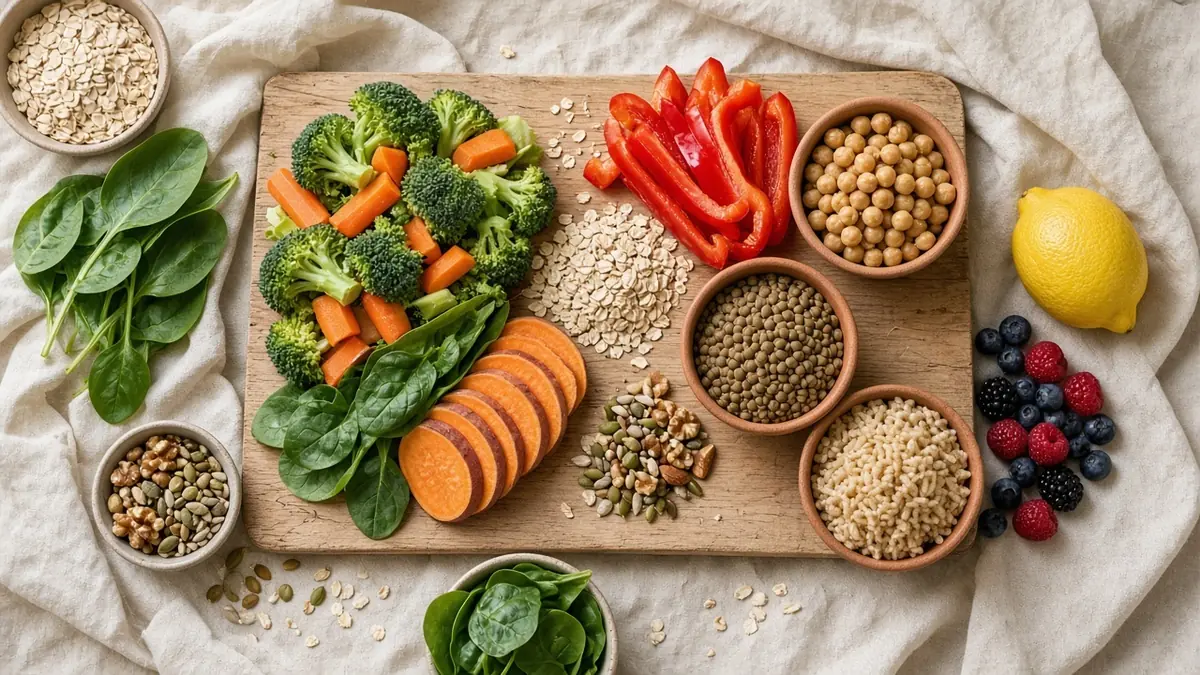
Key micronutrients for immune cell function include vitamins A, C, D, and E, plus zinc, selenium, iron, and protein—as summarized by resources such as the Harvard T.H. Chan School of Public Health Nutrition Source and NIH Office of Dietary Supplements fact sheets.
Fermented foods with live cultures (plain yogurt, sauerkraut, kimchi made without unwanted additives) may support a diverse gut microbiome, which interacts with immune tissue in the gut. Evidence for probiotic supplements is strain-specific and mixed—see our planned deep dive: Probiotics and immunity.
Summary: Diet quality beats any one trendy ingredient. Food first; supplements only when diet or labs show a gap.
4. Move most days—moderate beats extreme
Regular physical activity helps immune cells circulate and is linked with better overall health. The CDC suggests at least 150 minutes of moderate-intensity activity a week (or 75 minutes vigorous), adjusted for your age and conditions.

Moderate exercise appears favorable; very prolonged intense training without recovery can temporarily stress immune function in athletes. For most people, brisk walking, cycling, swimming, or strength work a few days a week is the sweet spot.
Summary: Consistency beats heroic workouts. If you are new to exercise, start gently and ask your doctor about limits.
5. Manage chronic stress
Short-term stress is normal. Ongoing psychological stress can alter immune signaling and is linked with higher infection risk and reactivation of some latent viruses. You will not eliminate stress, but you can lower its load: brief daily walks, breathing drills, journaling, therapy, and protected time offline.
Summary: Easing ongoing stress is part of looking after your health. Pick one small practice you will actually repeat.
Building the habit stack? Our free 7-day guide, Real Food, Better Sleep, Calmer Days, breaks sleep, food, and calm routines into small daily steps.
Get the free guide6. Do not smoke, and avoid alcohol
Cigarette smoke damages lung defenses and impairs immune responses to respiratory infections, according to CDC immune health pages. Quitting supports recovery capacity over time—ask a clinician about cessation tools.
Alcohol can impair immune pathways, and heavier drinking does more harm. For your health, less is better and none is best.
7. Know what vitamin C, vitamin D, and zinc can—and cannot—do
These three nutrients show up in almost every “immune booster” aisle. Here is the sober read.
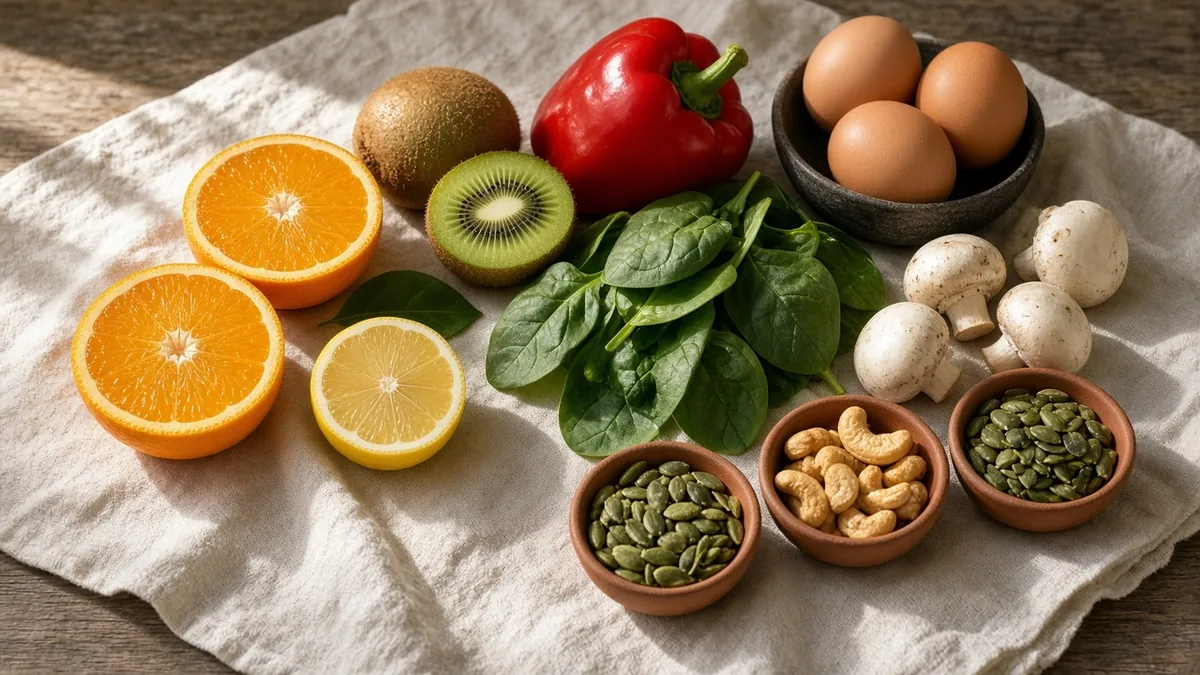
Vitamin C
A major Cochrane review found that regular vitamin C (at least 200 mg/day in the included trials) did not meaningfully reduce cold incidence in the general population. It did modestly shorten cold duration on average (about 8% in adults and 14% in children). Starting high-dose vitamin C after symptoms begin has not shown a consistent benefit.
Vitamin D
Your immune system needs vitamin D to function. The NIH ODS consumer fact sheet lists recommended intakes (for example, 15 mcg / 600 IU daily for most adults 19–70, and 20 mcg / 800 IU for adults 71+ in the U.S. Dietary Reference Intakes). Deficiency is fairly common, especially with limited sun, darker skin, or older age. Correcting a documented deficiency matters; megadosing when levels are already adequate has not been shown to create “extra” immunity and can be harmful above upper limits.
Vitamin D3 often comes from lanolin (sheep's wool) or fish oil, and many softgels use gelatin. Vegan D3 (from lichen) or D2 in non-gelatin capsules are alternatives.
Zinc
A Cochrane review of zinc for the common cold suggests zinc may shorten an ongoing cold for some people (low-certainty evidence), with little clear benefit for prevention. Taste changes and stomach upset are common. Intranasal zinc has been linked historically with loss of smell and should be avoided.
Some lozenges and capsules contain gelatin; check the label.
Summary: Fix deficiencies; do not expect pills to replace sleep and food. Ask a clinician about dose, interactions, and lab testing.
8. What about elderberry, echinacea, garlic, honey, and black seed?
Herbal products are popular, and some have preliminary data—but certainty is often low, products vary widely, and none are proven cures.
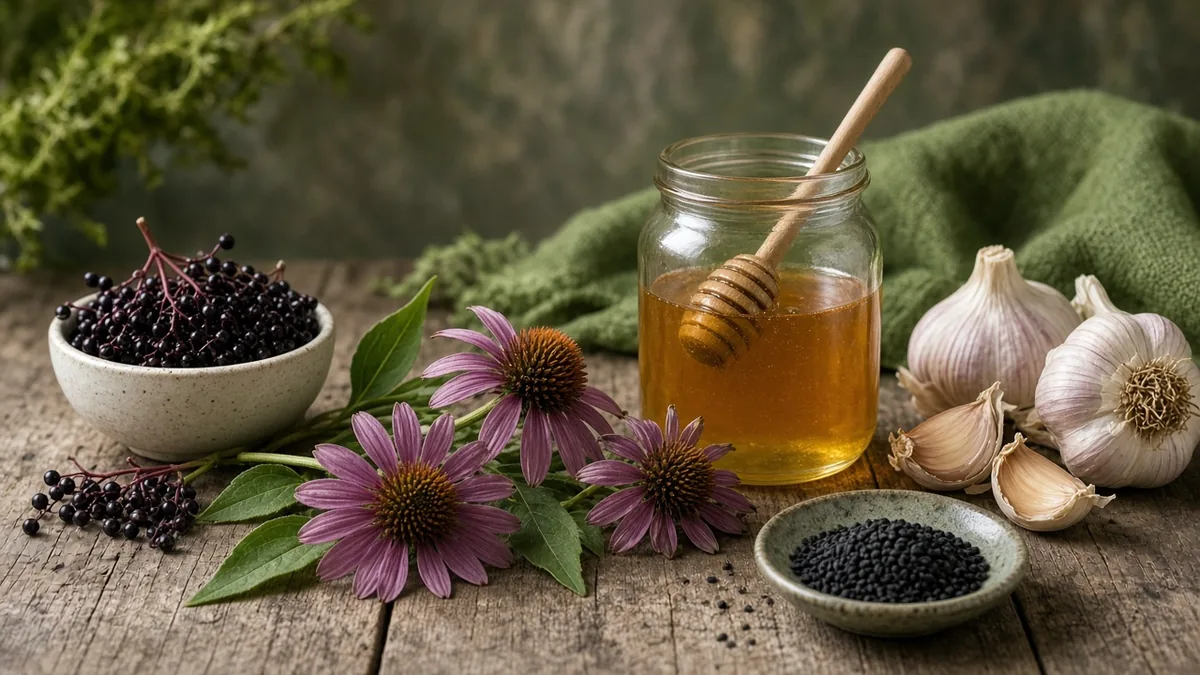
- Elderberry: Small trials suggest it may reduce cold or flu symptom duration; evidence quality is limited. Do not eat raw elderberries. Many syrups and tinctures contain alcohol; look for alcohol-free versions. Elderberry syrup.
- Echinacea: Reviews find weak or inconsistent benefits for colds. Many studied extracts are alcohol-based; alcohol-free versions exist. Echinacea for colds · Are herbal tinctures halal?
- Garlic: Culinary use is fine; supplement evidence for colds is limited and mixed. Garlic for colds.
- Honey: May ease cough symptoms in people older than 1 year; never give honey to infants under 12 months. Honey for coughs.
- Black seed (Nigella sativa): Traditional use is longstanding; modern human evidence for broad “immune boosting” remains limited. Keep claims modest. Black seed oil and immunity.
9. Hygiene, cleaner air, and vaccines
Strengthening defenses also means reducing unnecessary exposures: wash hands with soap for 20 seconds, improve ventilation when you can, and give sick household members space when feasible—steps the CDC lists alongside lifestyle habits.

Vaccines remain the most specific way to prepare your immune system for particular pathogens (flu, COVID-19, RSV where recommended, and others based on age and health). Talk with your clinician about what is right for you; recommendations differ slightly by country (CDC, Health Canada, Australian guidance via healthdirect/immunisation schedules).
When to see a doctor
Lifestyle habits help most people, but they are not a diagnosis tool. Contact a healthcare professional if you notice:
- Infections that are unusually frequent, long, or severe
- Wounds that heal very slowly
- Persistent fever, night sweats, or unexplained weight loss
- You take immunosuppressant medicines or have a condition that affects immunity
Seek urgent or emergency care for trouble breathing, chest pain, confusion, severe dehydration, a stiff neck with fever, or lips/face swelling with breathing difficulty. For children, follow your local emergency guidance (for example, healthdirect in Australia) when symptoms escalate quickly.
Frequently asked questions
Can you really boost your immune system?
There is no proven way to supercharge a healthy immune system overnight. Healthy habits may help your immune system work as it should. Vaccines train immunity against specific diseases in a way lifestyle alone cannot.
What are the best natural ways to support immune health?
Sleep, a varied diet, regular movement, stress care, no smoking, avoiding alcohol, hygiene, and recommended vaccines—aligned with CDC guidance.
Do vitamin C, D, or zinc supplements strengthen immunity?
They may help if you are deficient. Vitamin C does not clearly prevent colds for most people but may slightly shorten them with regular use. Zinc may shorten colds for some when started early. Confirm need and dose with a clinician.
How long does it take to strengthen your immune system?
There is no fixed timeline. Some sleep and stress effects appear within days to weeks; fitness and diet patterns build over months. Consistency matters more than any single product.
Can foods alone prevent colds or the flu?
No. Foods supply nutrients immune cells use, but they do not prevent or cure infections by themselves.
When should I see a doctor about immune health?
For frequent severe infections, red-flag systemic symptoms, immunosuppression, or any urgent warning signs listed above.
Keep learning without the hype. Join Nook & Root for our free 7-day guide, Real Food, Better Sleep, Calmer Days, plus short, practical emails (including product picks we may earn a commission on). Unsubscribe anytime.
Sign up freeThe bottom line
Strengthening your immune system is mostly about boring, powerful basics: sleep, food, movement, stress, smoke-free lungs, and vaccines. “Boost” products rarely outperform those habits, and honest brands say so. Use supplements to correct real gaps—not as armor—and talk with a clinician before high doses, especially if you are pregnant, immunocompromised, or on medication.
How we reviewed this article
This page summarizes guidance from public-health agencies and peer-reviewed sources (CDC, NIH ODS, Cochrane, PubMed-indexed studies). It is written for a general audience in the US, Canada, Australia, and New Zealand. It is not personal medical advice. Written by the Nook & Root Editorial team. We plan to re-check this page within 12 months, or sooner if major guidance changes.
Sources
- Centers for Disease Control and Prevention. Support Your Immune Health. https://www.cdc.gov/respiratory-viruses/immune-health/index.html
- Centers for Disease Control and Prevention. Healthy Habits: Enhancing Immunity. https://www.cdc.gov/healthy-weight-growth/about/enhancing-immunity.html
- Harvard Health Publishing. How to boost your immune system. https://www.health.harvard.edu/healthy-aging-and-longevity/how-to-boost-your-immune-system
- Harvard T.H. Chan School of Public Health. Nutrition and Immunity. https://nutritionsource.hsph.harvard.edu/nutrition-and-immunity/
- Prather AA, et al. Behaviorally assessed sleep and susceptibility to the common cold. Sleep. 2015. https://pubmed.ncbi.nlm.nih.gov/26118561/
- Hemilä H, Chalker E. Vitamin C for preventing and treating the common cold. Cochrane. https://www.cochrane.org/evidence/CD000980_vitamin-c-preventing-and-treating-common-cold
- Nault D, et al. Zinc for the prevention and treatment of the common cold. Cochrane. https://www.cochrane.org/evidence/CD014914_zinc-prevention-and-treatment-common-cold
- NIH Office of Dietary Supplements. Vitamin D — Consumer Fact Sheet. https://ods.od.nih.gov/factsheets/VitaminD-Consumer/
- NIH Office of Dietary Supplements. Vitamin C — Consumer Fact Sheet. https://ods.od.nih.gov/factsheets/VitaminC-Consumer/
- NIH Office of Dietary Supplements. Zinc — Consumer Fact Sheet. https://ods.od.nih.gov/factsheets/Zinc-Consumer/
- National Center for Complementary and Integrative Health. Cold, Flu, and Complementary Health Approaches. https://www.nccih.nih.gov/health/colds-flu-and-complementary-health-approaches
- healthdirect. Immune system. https://www.healthdirect.gov.au/immune-system
- Cleveland Clinic. Immune System. https://my.clevelandclinic.org/health/body/21196-immune-system
- Columbia University Irving Medical Center. What You Really Need to Do to Boost Your Immunity. https://www.cuimc.columbia.edu/news/what-you-really-need-do-boost-your-immunity
Medical disclaimer: This article is general information for educational purposes. It is not medical advice, diagnosis, or treatment. Always seek the advice of a qualified health professional with questions about a medical condition. Never ignore professional medical advice or delay seeking it because of something you read on Nook & Root. Contact: [email protected].